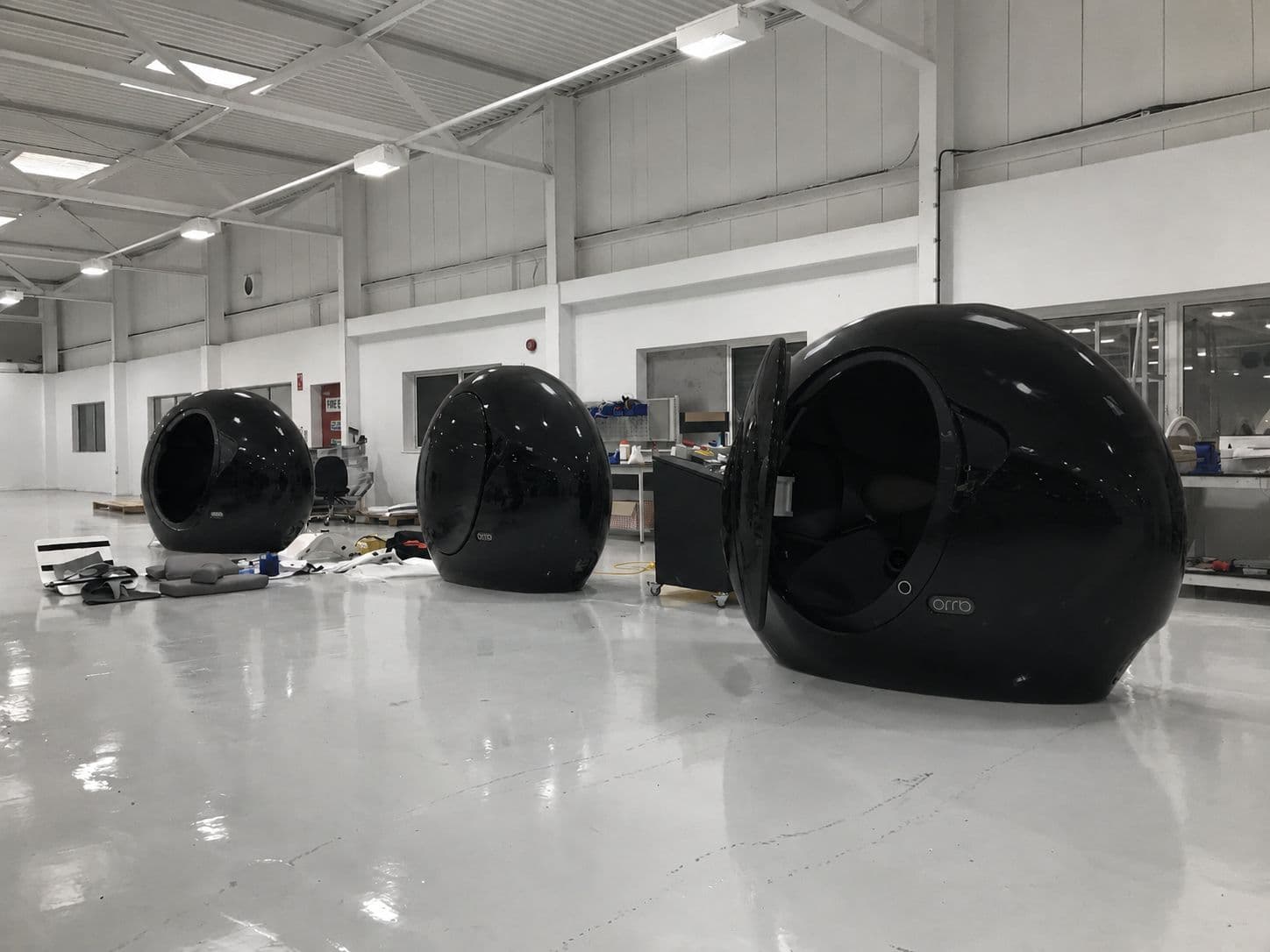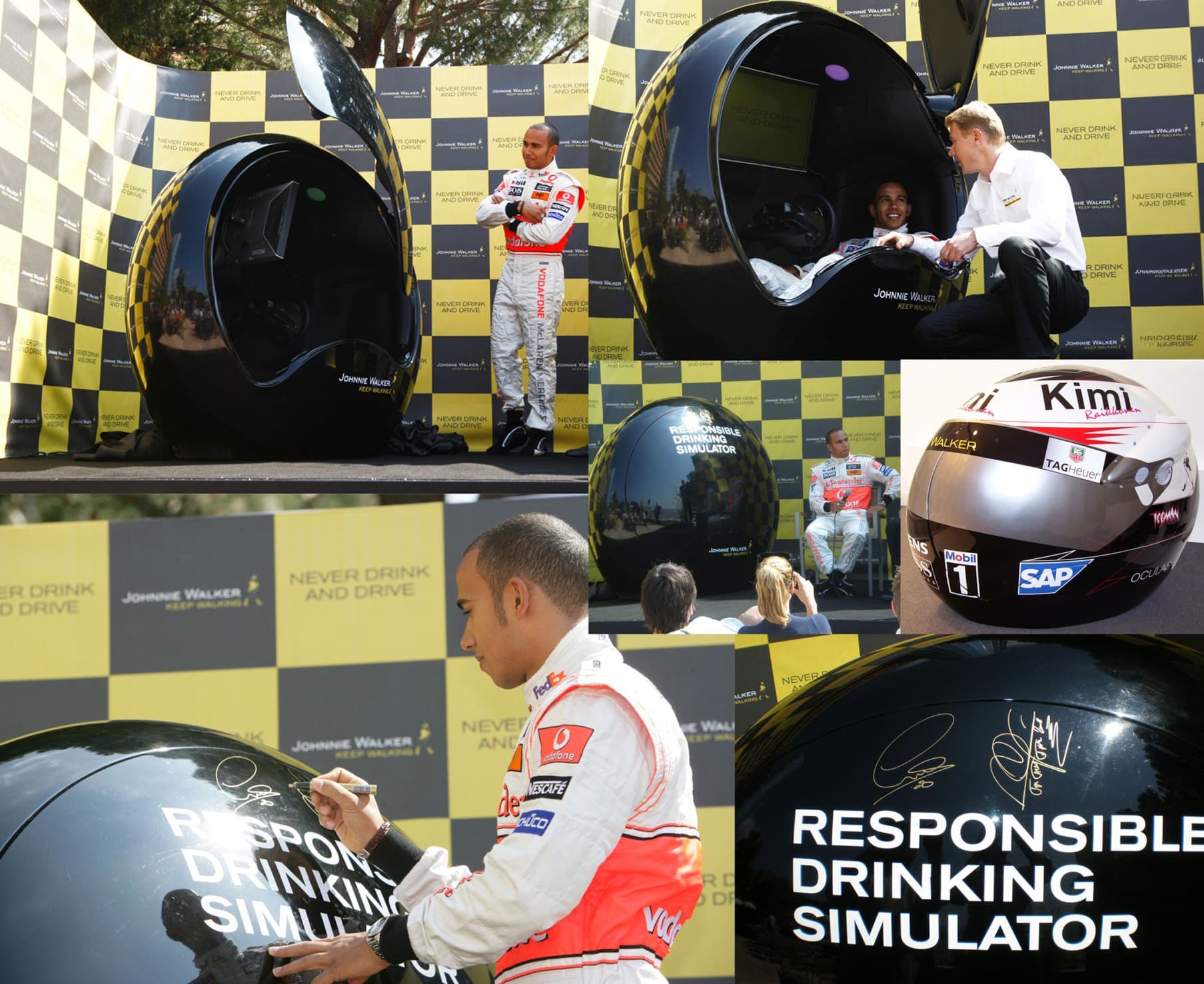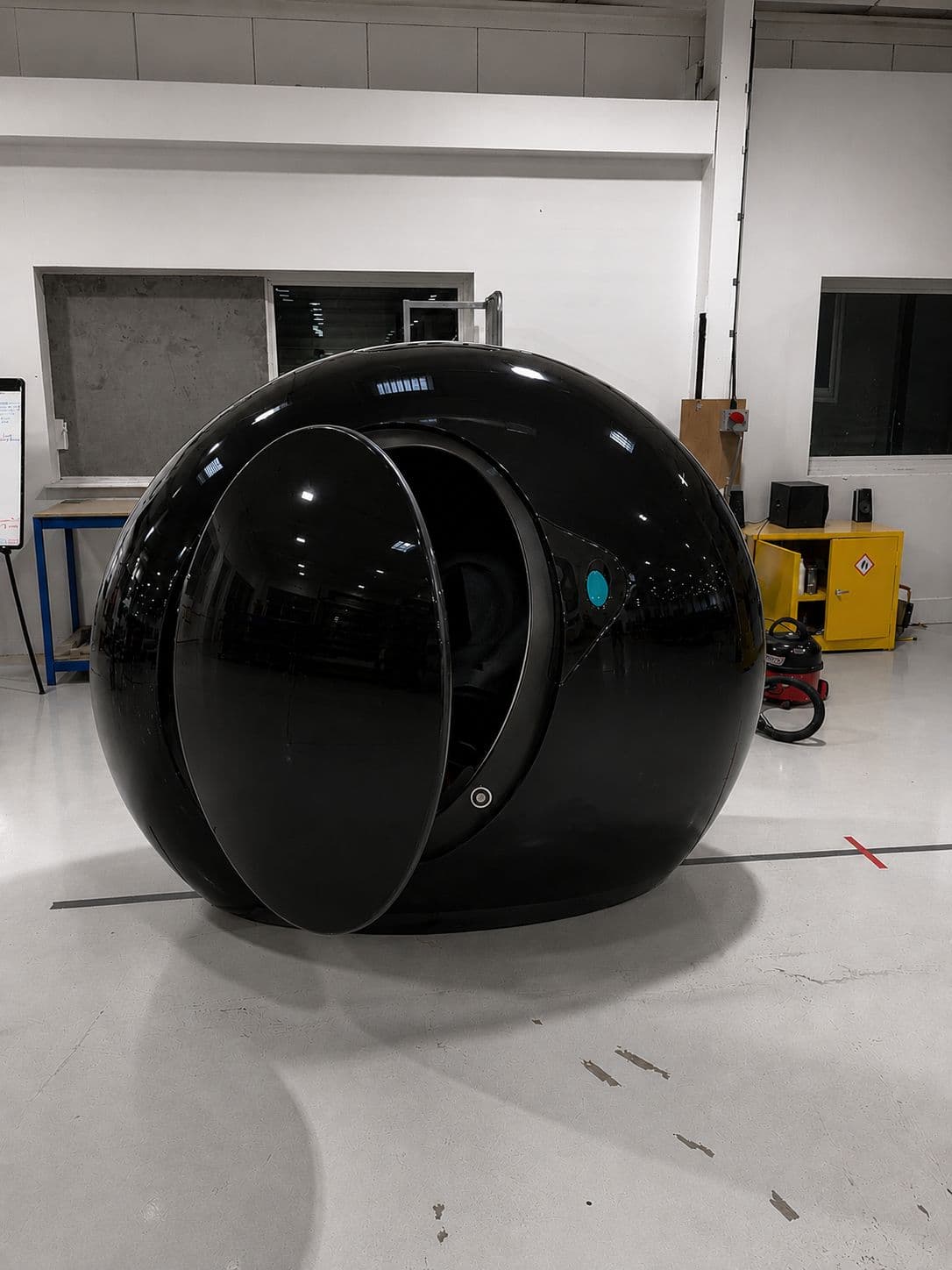
Two years of engineering are now taking physical form. The interior components, the hand-finished probes, the shell closing around them — the Portal is becoming an object you can stand in front of. But the more revealing story is not that it is being built; it is why it has taken this long. There is a real difference between assembling a device and engineering an instrument. A fitness tracker is optimized for convenience — light, unobtrusive, easy to forget you are wearing, and the industry has solved that well. The Portal is optimized for something else entirely: repeatability. It is built to hold conditions so completely still that a measurement taken inside it tomorrow means the same thing as one taken today — or a year from now. One instrument is designed to be worn and forgotten. The other is designed to be trusted.
Why Environment Is the Measurement
Most people assume measurement begins the moment a sensor switches on. It doesn't. It begins with everything surrounding the sensor, because every uncontrolled variable becomes noise that can never afterward be separated from the signal. The Portal is engineered around six of them. Geometry fixes the spatial relationship between sensor and subject, so a reading is not altered by how a person happened to sit. Airflow holds temperature and humidity steady, both of which shift skin conductance independent of anything physiological. Acoustics remove ambient sound, which moves autonomic state whether or not the subject notices. Lighting is controlled for wavelength and intensity, each exerting its own measurable influence on the body. Timing keeps every channel deterministically synchronized, so events recorded together actually occurred together. And contact governs probe pressure and placement, which sets the quality of the signal before it is ever interpreted. None of these is a feature in the marketing sense; each is a specific source of uncertainty. Control them all, and the same person measured under the same conditions produces a reference that stays fixed over time. Repeatability is not a benefit of the design. It is the purpose of it.
Hand-Finished Probes and What They Signal
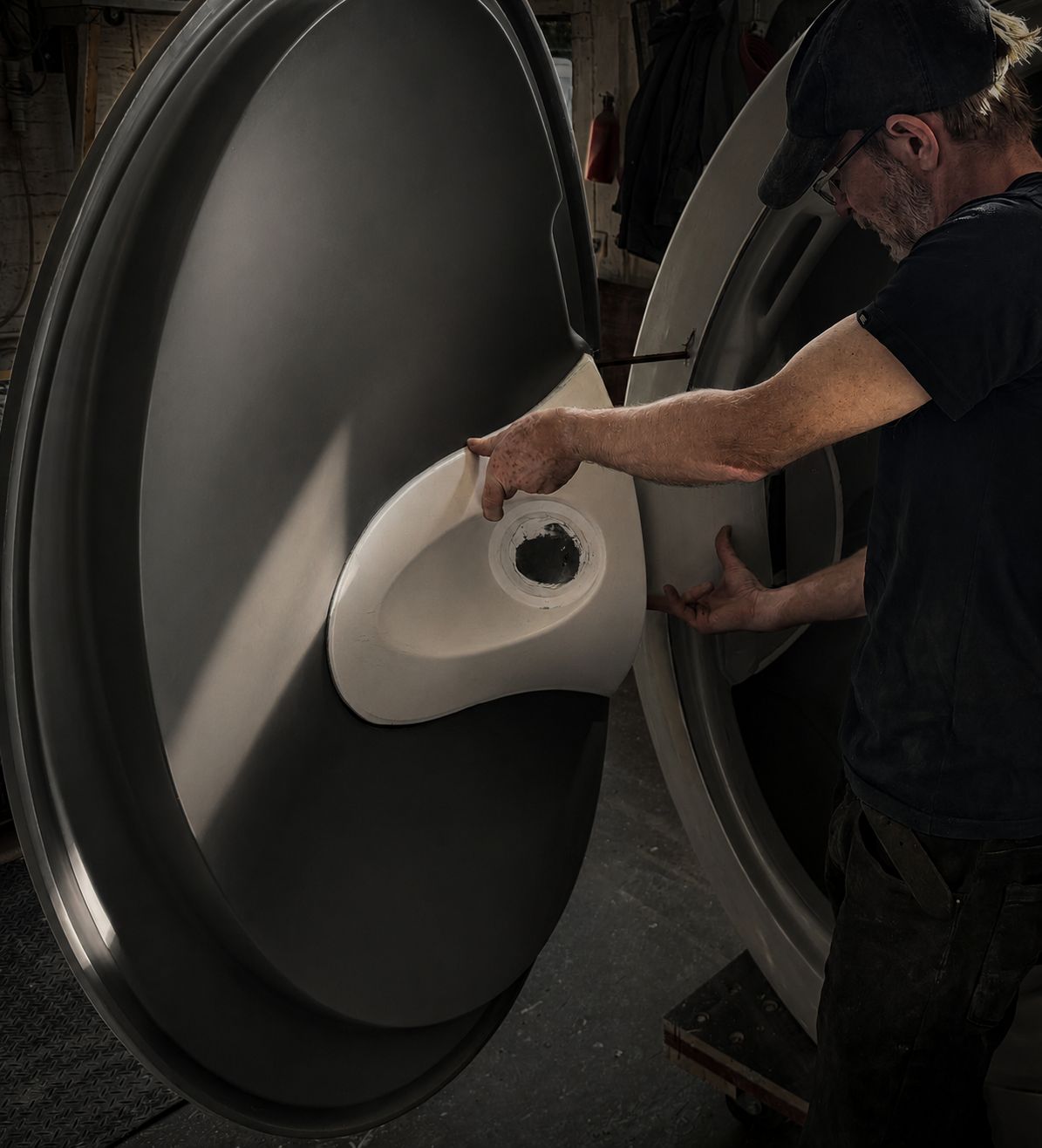
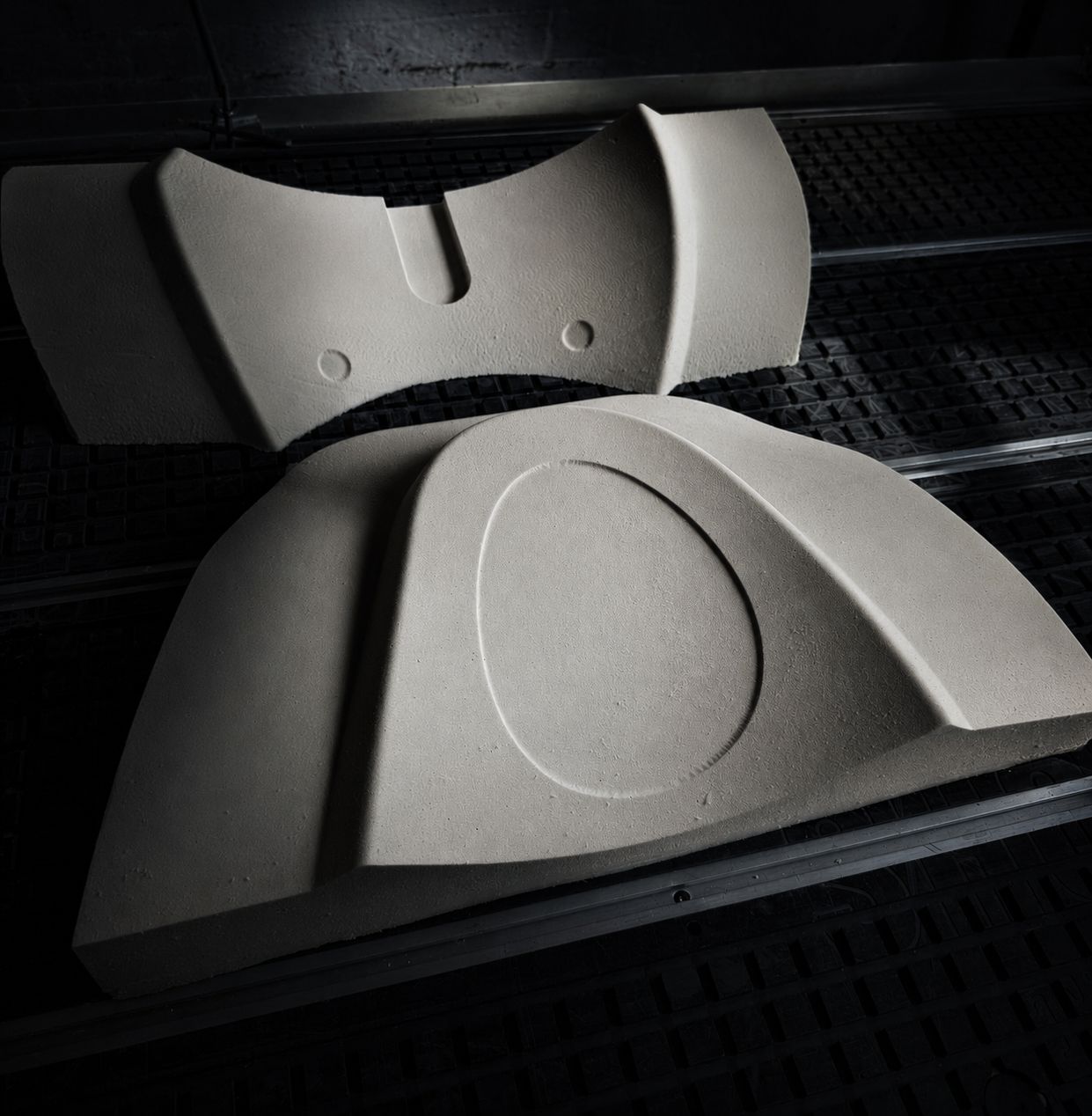
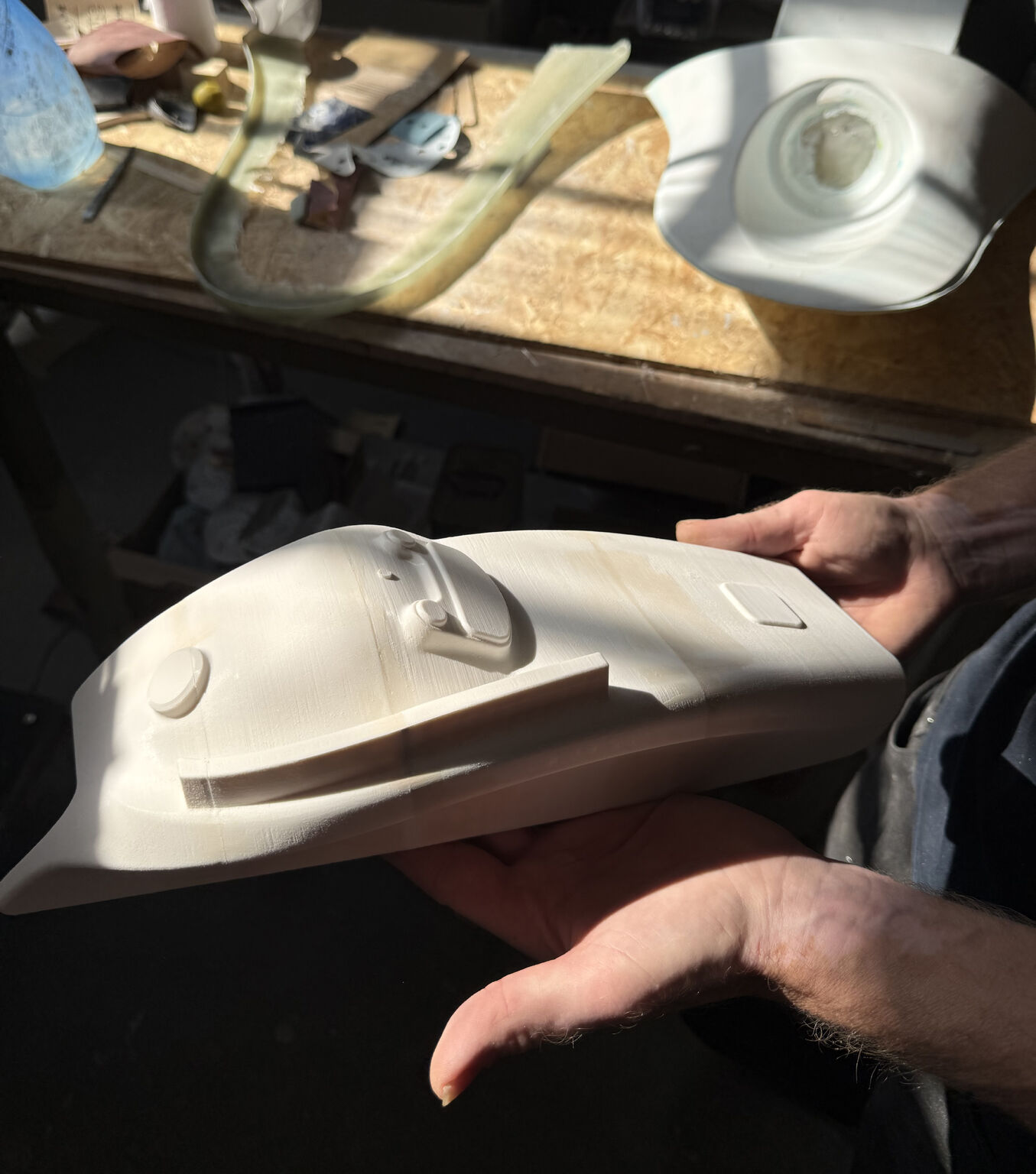
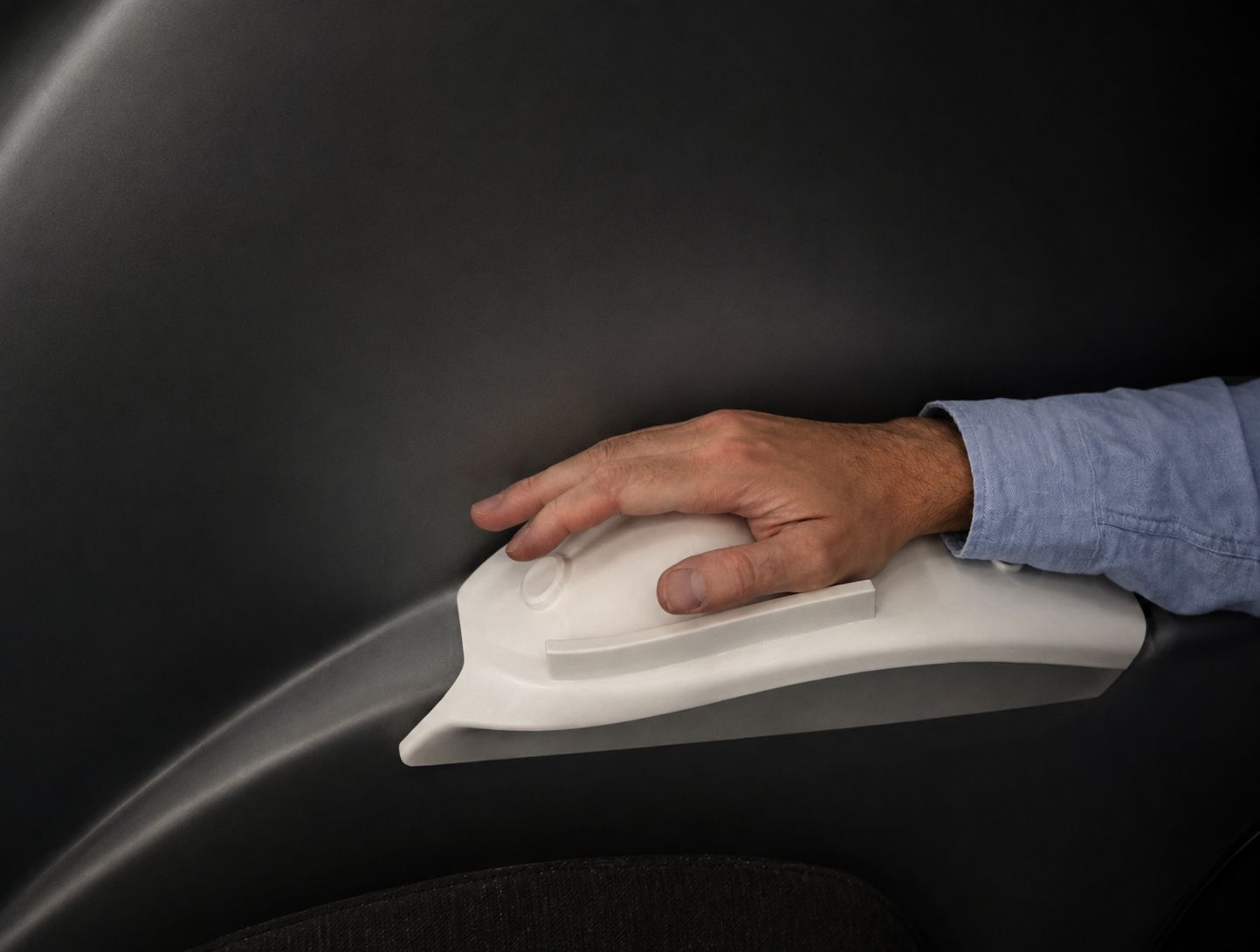
Among those development images are probes finished by hand. It would be easy to read that as craft for its own sake. It is the opposite. At this stage, the tolerance required for repeatable physiological contact cannot yet be reached at scale through automated manufacturing, so it is reached deliberately, one probe at a time. This is not artisanal production. It is precision production under a constraint. The logic runs in a straight line: probe geometry determines contact quality, contact quality determines signal integrity, and signal integrity determines whether the measurement can be attributed to the individual or merely to how the probe happened to sit against the skin. Hold that chain in view and the care explains itself. The Portal is being built to the standard of a laboratory instrument, not a consumer product — and that standard is what makes the baseline it produces defensible when someone asks how it was derived.
The Harvard Launch and What It Represents
The Portal is targeted for launch at Harvard in October 2026, and the venue is not incidental. This is not a product launch in the ordinary sense — it is an entry into independent scrutiny. Harvard's HTECH conference gathers the researchers, clinicians, and practitioners whose instinct is to interrogate a methodology, not merely admire an output. Launching there is a deliberate decision: ORRB is designed to be examined. The same controlled conditions that make a measurement repeatable also make it auditable: every session produces a record that can be reviewed, questioned, and checked against the conditions it was taken under. That willingness to be verified is not a posture; it is a requirement of anything meant to serve as a reference standard.
The Reference Layer, Not the Sensing Layer
Wearables are sensing devices; they capture what the body produces in the field, under whatever conditions prevail. The Portal is a reference instrument; it produces a controlled individual baseline against which that field data can finally be read. The two are complementary, not rival. A wearable signal from an athlete whose reference is already known is far more informative than the identical data from someone whose baseline was never established. The Portal does not replace the watch on the wrist. It gives the watch something to be measured against.
The Portal has taken two years because building a controlled environment is a fundamentally different problem from building a sensor — and sensors, by now, are extraordinarily good. What has been missing is the environment that makes their readings mean something durable. That is the gap ORRB is engineered to close. It is not the next wearable. It is the calibration standard the field has been waiting for.