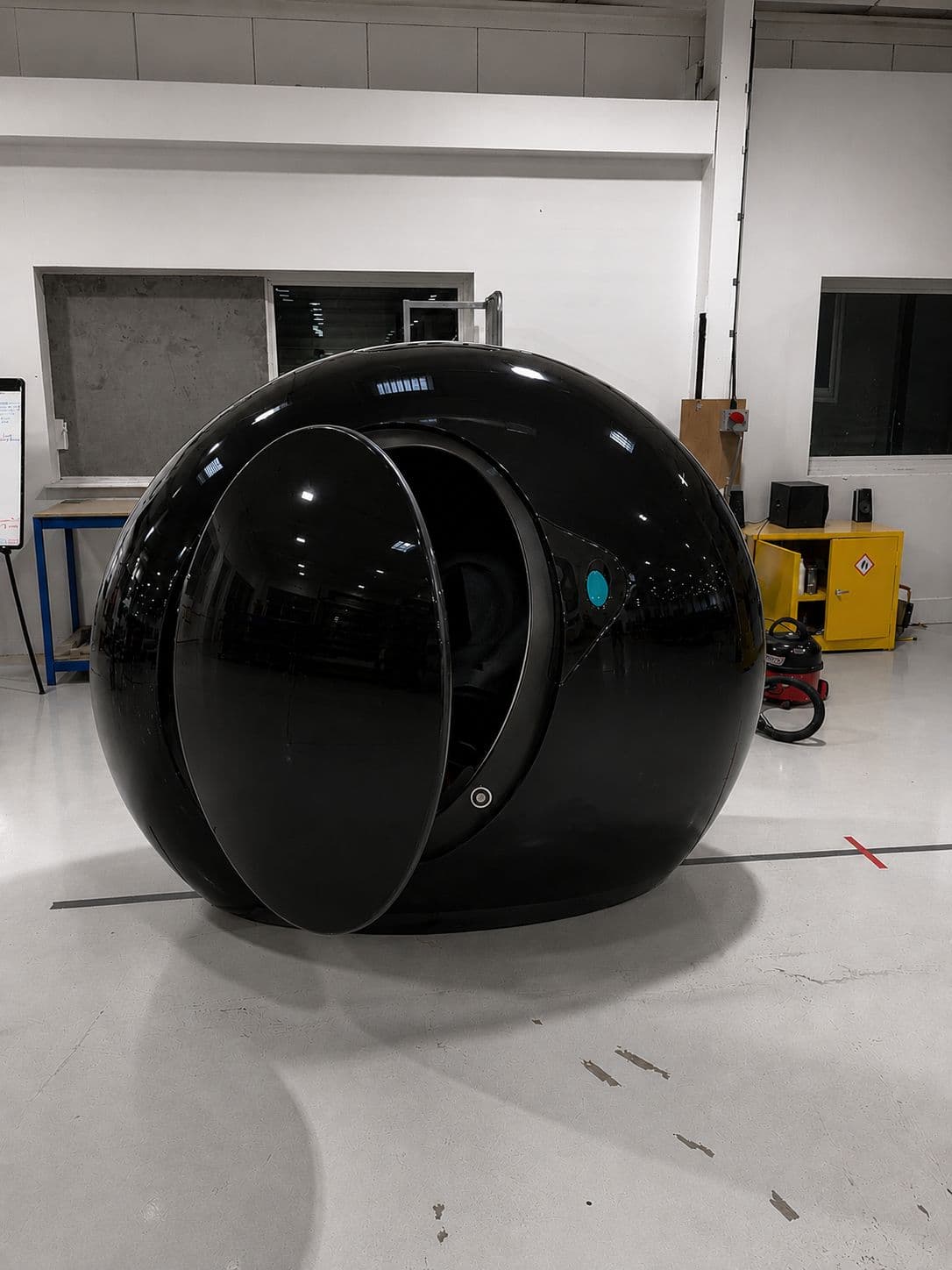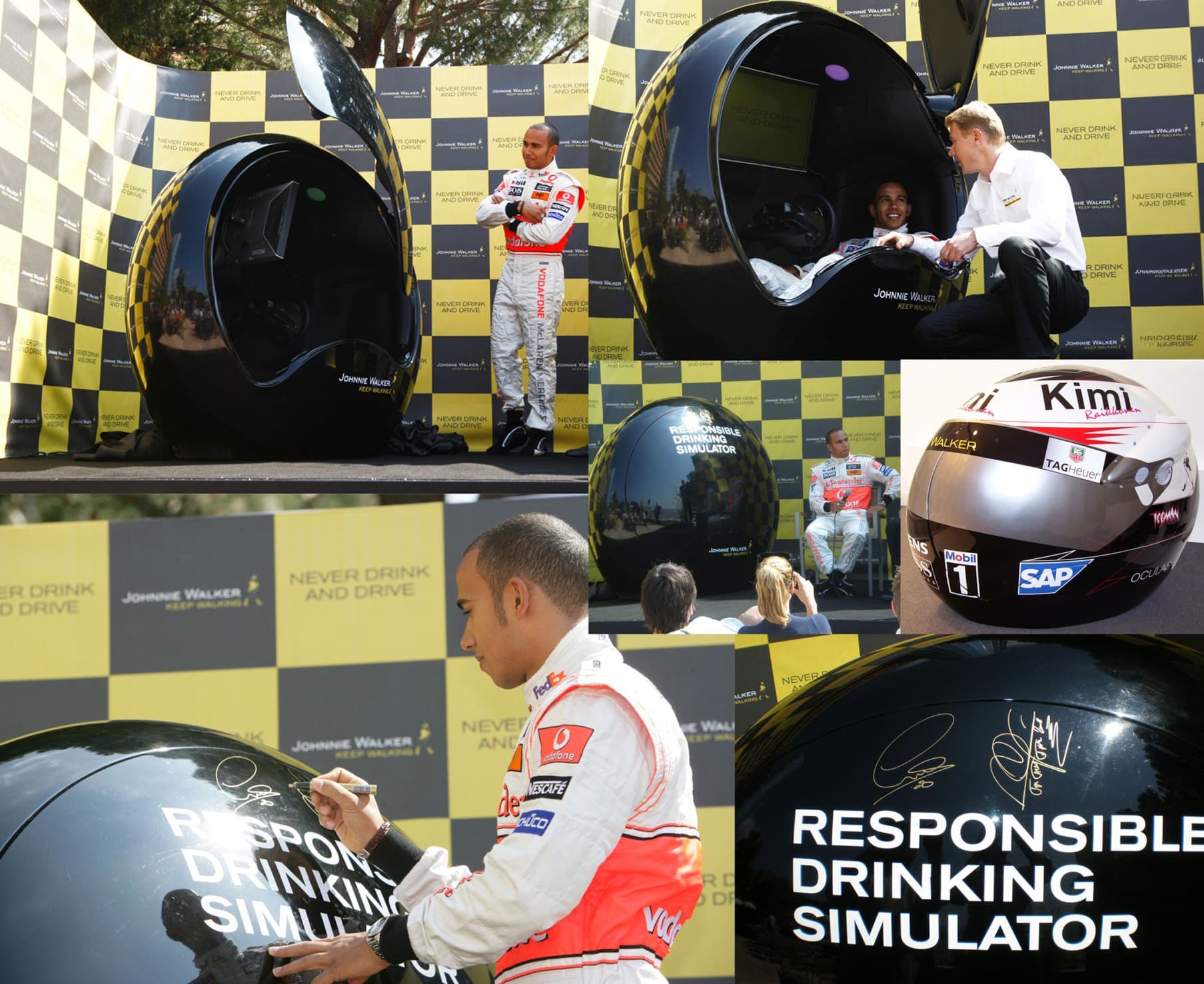
Every field that stakes real consequences on a measurement has, at some point, confronted the same problem: a raw reading is not the same as a true one. Aviation answered it with airspeed calibration, correcting the number on the dial for altitude, temperature, and instrument error before a pilot trusts it. Precision manufacturing answered it with reference standards — a gauge block of known dimension against which every other tool is checked. Laboratory science answered it with controlled conditions, isolating the one variable under study so that the result means something specific. Each of these disciplines reached the same conclusion: measurement without a reference is only observation, and observation alone is not enough to act on. Human performance has never had that reference. It has sensors in abundance and standards for almost none of them — a field that watches the outcome in extraordinary detail while remaining unable to see the system producing it.
What Wearables Actually Measure
Consider two athletes whose wearables report the same numbers on the same morning: identical resting heart rate, identical heart rate variability, identical sleep score. On the dashboard they are indistinguishable. Underneath, they may be nothing alike. One is genuinely well-recovered. The other is holding those same numbers together through compensation — a nervous system working harder to produce an output that looks, from the outside, unremarkable. A wearable cannot separate the two, because it measures what the body emits into the world, not the machinery generating it. Continuous monitoring records physiology as it is produced under whatever conditions prevail that day — a short night, a long flight, a stressful week. Every one of those inputs is folded into the signal, and what appears on the screen is the sum of them all, not the individual system you set out to assess.
The Case for Controlled Conditions
The way forward is the move every precision field has already made: fix what you can, and change only what you mean to. When the stimulus applied is known and characterized, and the environment around it is held constant, the response that returns can be attributed to one thing — the individual — rather than to the circumstances of the day. That single property, attribution, is what turns a reading into a measurement. It is also what makes four specific outputs possible to capture. The disturbance threshold marks the load at which a person's regulation begins to give way. The response magnitude describes how forcefully the nervous system reacts once that load arrives. The recovery half-time records how quickly the system returns toward baseline afterward. And the regulation stability captures how consistently it governs itself across repeated challenges. None of these are legible in the field, where the conditions shift underneath every reading. They become measurable only when the conditions stop shifting.
A Reference That Compounds Over Time
A controlled measurement is valuable once. It becomes far more valuable repeated. Because the reference is stable and validated against the individual, every later session has something fixed to be read against — and small movements become visible long before the field would surface them. A twelve percent lengthening of recovery half-time, measured against a validated personal reference, is a clear and actionable signal. The same twelve percent buried in field data gathered across variable days is statistically indistinguishable from noise, and is typically ignored. The reference layer does not compete with continuous monitoring; it gives that monitoring an anchor. The stream from a watch describes what is happening moment to moment; held against a calibrated individual baseline, it can begin to explain why — and flag when the answer is starting to change.
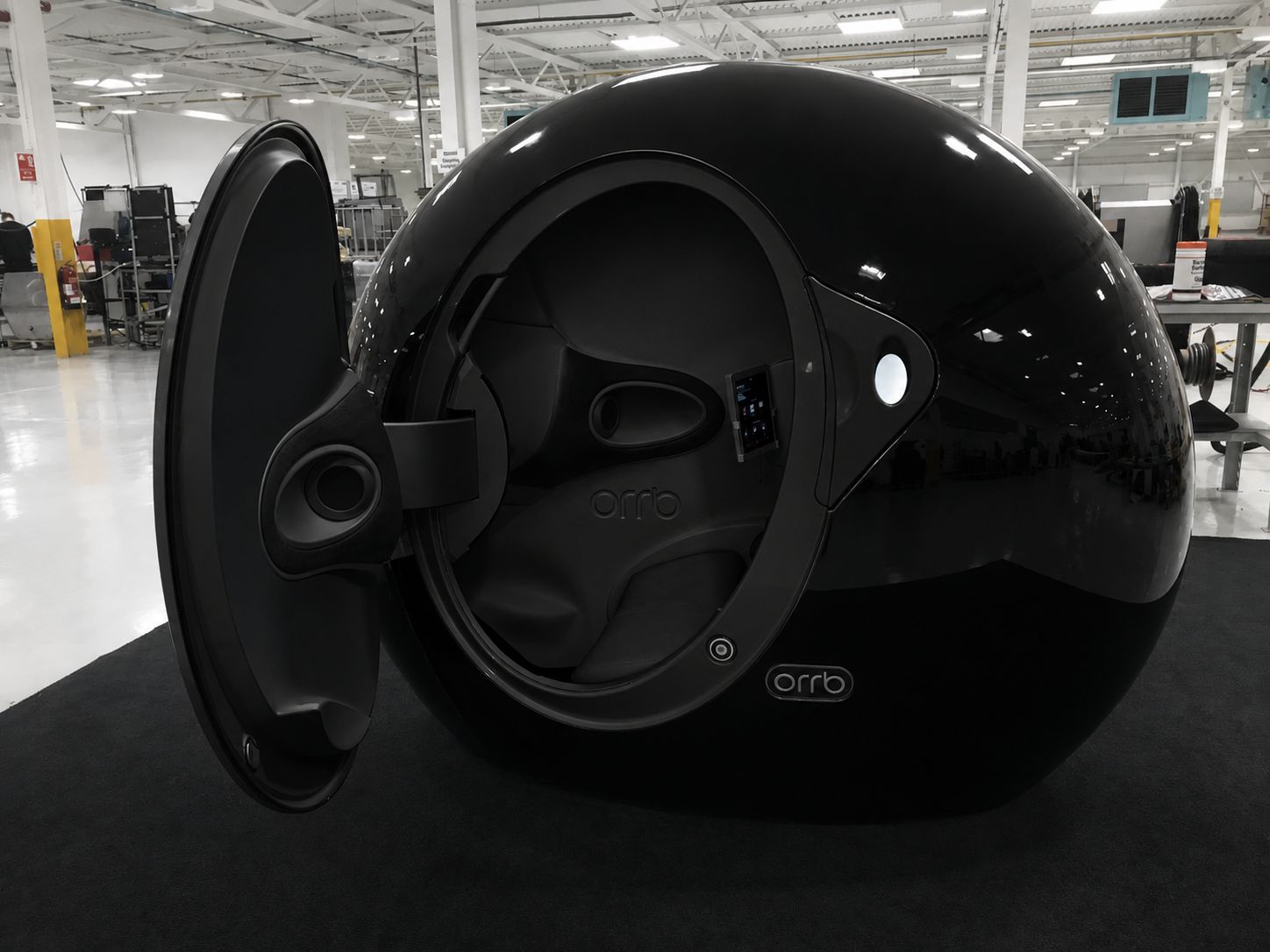
Aviation did not respond to unreliable instruments by grounding its aircraft. It built the calibration standards that made the instruments worth reading. Human performance faces the same choice, and the answer is not to abandon the sensors people already wear. It is to supply the missing layer beneath them: the validated individual reference that gives every downstream signal a meaning it cannot hold on its own. That is what ORRB is building. Not another sensor competing for the wrist, but the standard against which the sensors can finally be read.